Bir Billing MTB Guide: Himalayan Singletrack from 2,400m
A Himachali hill station better known for paragliding hides one of the Indian Himalaya's most rewarding mountain bike networks, where forest singletrack drops from a 2,400m ridge through monasteries, tea gardens and Gaddi villages to the Kangra valley floor.
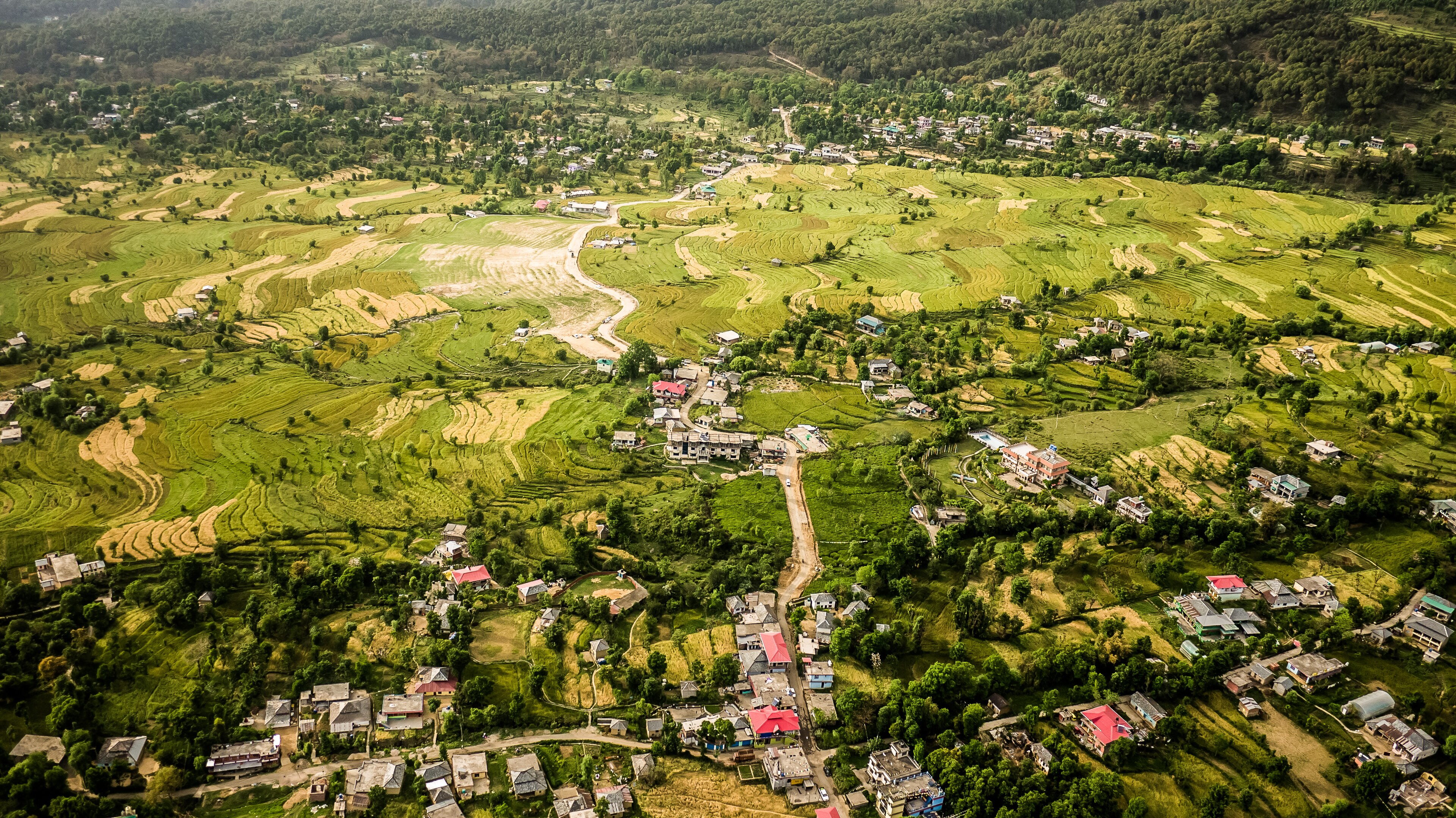
At 2,400 metres above sea level, Billing ridge is best known as one of the world's premier paragliding launch sites — the same thermals that lift wings off the meadow also mark the top of a mountain bike descent that drops roughly 1,000 vertical metres through deodar forest, Tibetan monasteries and tea gardens to the village of Bir on the Kangra valley floor. For riders willing to trade the polish of an Alpine bike park for raw Himalayan singletrack, the Bir Billing network is one of the most rewarding intermediate-to-expert destinations in Asia.
Signature trails
The headline descent is the Billing-to-Bir line, roughly 14 kilometres point-to-point following a mix of jeep track, forest singletrack and stone-paved village paths. From the launch meadow at 2,400m, the trail rolls through Gaddi shepherd country before threading into oak and rhododendron forest above Palpung Sherabling Monastery, the seat of the Tai Situpa. Surface is loose-over-hardpack, with off-camber roots and the occasional rock garden — closer in character to a long natural enduro stage than to a manicured flow trail.
Loop options include:
- Campsite-Sansal-Palpung-Bir circuit (≈23 km): the classic intermediate cross-country day, taking in Sansal Mukutnath temple and Palpung monastery before dropping to Bir landing site. Mostly blue-grade with red sections through the forest.
- Bir-Billing race line (≈5 km): a track cut by local riders for stage racing, around 3.5 km of pure singletrack, technical enough that solo unguided riding is not advised — sharp forest edges, exposure and limited signage.
- Jhatingri-Barot-Raj Gundha-Billing traverse (≈75 km, 3 days): a full expedition through the Uhl valley, crossing Bada Bhangal foothills via the Barot reservoir before climbing back to the Billing ridge. Bivy-grade, self-supported.
Lift, shuttle and access
Bir Billing is not a chairlift bike park. The "lift" is a road shuttle: a metalled but narrow mountain road climbs the roughly 14 kilometres and 1,000 vertical metres from Bir to the Billing launch meadow, used daily by paraglider pilots and easily booked through local guesthouses or rental shops in Bir's Chowgan and Tibetan colonies. A typical shuttle costs a fraction of a single European bike-park day pass, and most operators will run multiple laps if booked in advance.
For riders bringing their own bike, the network rewards a capable trail or short-travel enduro setup — roughly 140-160 mm of travel, mixed-condition tyres and brakes serviced for sustained alpine descents. Local rentals exist in Bir but lean toward hardtails and entry-level full-suspension; serious riders should ship a bike or arrange one through a tour operator.
The Hero MTB Himalaya context
Bir Billing sits inside the route of the Hero MTB Himalaya, Asia's longest-running mountain bike stage race, organised by the Himalayan Adventure Sports & Tourism Promotion Association (HASTPA). The race typically covers around 650 km from Shimla toward Dharamshala over eight or nine stages, with more than 16,000 metres of cumulative climbing and a high point above 3,000m at Shaettadhar. The Dharamshala-to-Bir Billing leg, often around 65 km, is widely regarded as the benchmark intermediate Himalayan day ride and a useful proxy for what visiting riders can expect on the network.
Getting there
Bir Billing sits in Kangra district, Himachal Pradesh, roughly 520 km north of Delhi. The most efficient rail option is the Vande Bharat Express from New Delhi to Amb Andaura, scheduled at roughly 5 hours 15 minutes; from Amb, road transfer to Bir is around 125 km and three to four hours. The alternative is an overnight train to Pathankot Cantonment, then a 140 km, three-to-four-hour taxi via Palampur. Overnight Volvo sleeper buses run from Delhi's Kashmiri Gate and Majnu-ka-Tilla terminals direct to Bir. The nearest functional airport is Kangra (Gaggal), around 70 km away, with limited domestic flights subject to weather.
From a sustainability standpoint, the rail-plus-shared-taxi combination is by some distance the lowest-impact way in, and India's expanding electric-traction rail network makes the Delhi-Amb leg one of the cleaner long-distance options on the subcontinent.
Season window
The riding season has two clear windows split by the southwest monsoon. October through early December delivers the most stable conditions: clear post-monsoon skies, dry trails, daytime temperatures of 15-22°C at Bir and crisp mornings on the Billing ridge. March to mid-June reopens the high lines as snow retreats, with rhododendron bloom through April. July and August are monsoon — Bir receives heavy rainfall, paragliding shuts down, landslides close mountain roads intermittently, and forest trails turn to leech-prone slop. January and February are rideable at lower altitude but the Billing ridge can hold snow.
Where to base
Most visiting riders stay in Bir itself — either the Tibetan colony around Chowgan and the monasteries, or the guesthouse cluster near the paragliding landing site. The village is compact, walkable, and built around an established adventure-tourism economy: cafés, bike workshops, paragliding schools and yoga retreats all sit within a few kilometres. English is widely spoken in the tourism trade, payment is in Indian rupees with UPI and card acceptance common in cafés, and ATMs are reliable. For quieter, higher-altitude lodging closer to the launch, basic camps operate seasonally on the Billing meadow.
Riders should treat Bir Billing as an emerging rather than fully developed bike destination. Trail signage is patchy, dedicated bike patrol does not exist, and mobile coverage drops on the upper ridge — hiring a local guide for the first day is a small cost that buys both safety and access to lines not on any public map.
Find a hotel in Bir Billing
Same prices as Booking.com. 1 tonne CO₂ retired per stay. €5 credit on signup.
Search now →