Wagrain Mountain Bike Guide: Bikepark on Pause, Grießenkar Reborn
Wagrain's lift-served flow lines under the Flying Mozart gondola have shaped a generation of Salzburg riders. The main bikepark is now closed for a Grießenkar rebuild, leaving a kids' zone, a question, and a date to watch.
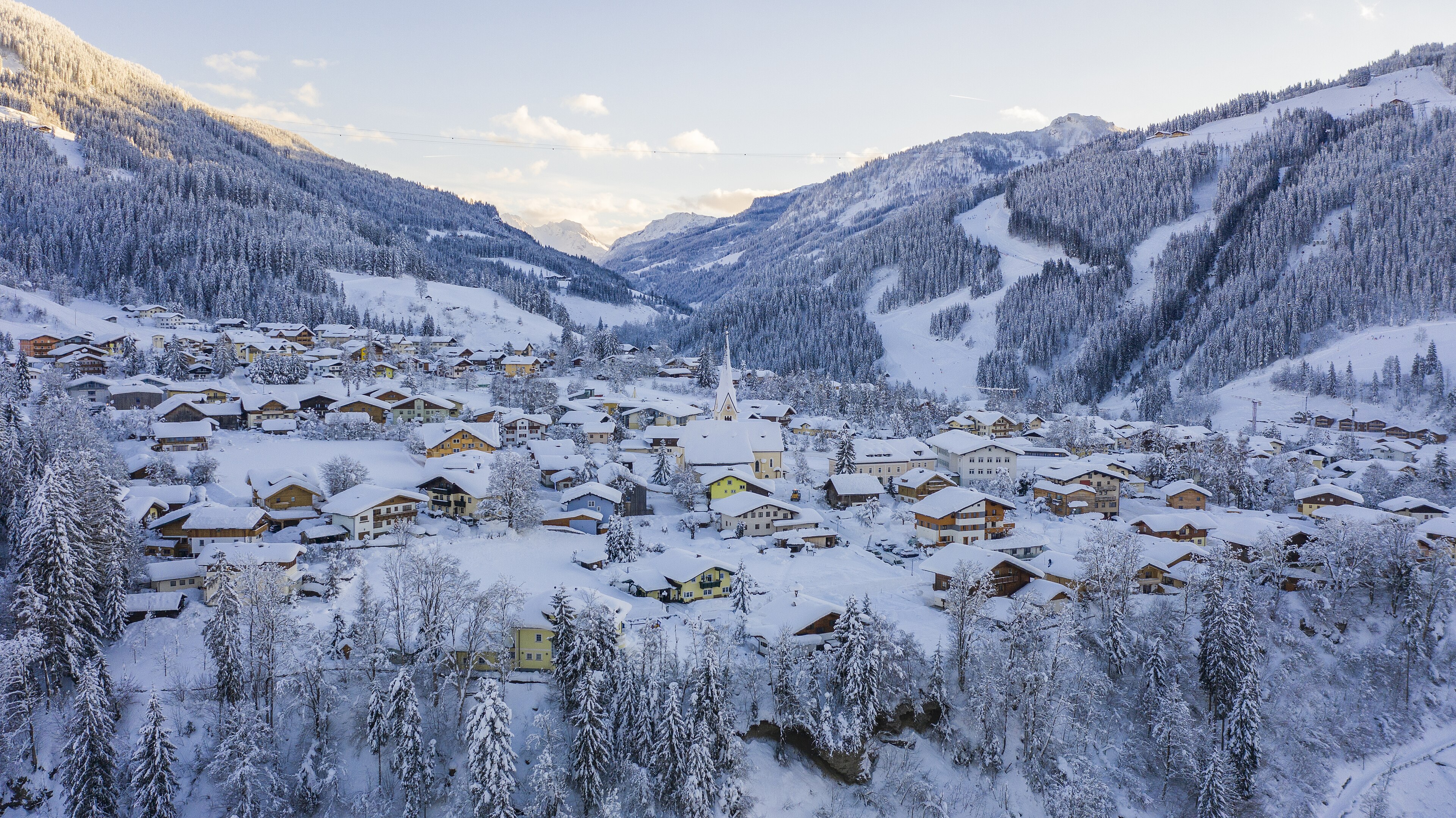
Wagrain's signature line, Symphony, dropped roughly 300 vertical metres of bermed flow under the cables of the Flying Mozart gondola — a ten-seater that, in summer, ferried riders and bikes from the village to the Grießenkareck ridge in under ten minutes. That history matters, because anyone arriving in Wagrain in 2026 hoping to lap those trails will find the lift-served park closed. The shutdown, in place since summer 2024, is not a quiet decline. It is a full reconstruction of the Grießenkar bike infrastructure, delayed by permitting and now extending past its initial 2025 reopening target. This guide is written with that honesty: what existed, what is being built, and what riders can realistically do at Wagrain in the meantime.
Signature trails: what made Wagrain matter
Pre-closure, Wagrain Bikepark ran roughly 9 km of machine-built trail across the Griessenkareck flank, accessed by the Flying Mozart gondola and supplementing flow from the adjacent Grafenbergbahn. Three trails defined the park:
- Symphony (blue/red) — a long flow line of rollable tables, berms and rhythm sections, the trail most riders remember.
- On Air (red/black) — bigger doubles and step-downs through the upper third, with a freeride feel and consequence on its top section.
- Angry Ants (black) — the tech and natural option, threading roots and rock through the forest.
A valley-floor slopestyle park and a north-shore zone rounded out the offering. The park's character was intermediate-first: an entry-level rider could lap Symphony all day, while stronger riders combined On Air's airtime with Angry Ants' grip.
The Grießenkar rebuild and what is open now
The current closure is tied to a major rebuild around the Grießenkar lift area. Mountain-bike forums and the operator's own communications have flagged repeated delays since 2022, with the 2025 reopening missed and no confirmed 2026 date at the time of writing. Riders planning a trip should treat the bikepark as closed until further notice and verify directly with Snow Space Salzburg before booking.
What does run is the woom bike area, a 5,900 m² progression zone for ages 2-14 at the Flying Mozart mid-station. It has a toddler track, "My First Tables" and "My First Drops" features, a green flow trail (around 5% gradient) and a blue flow trail (up to 8%). Operating Thursday through Sunday during the gondola's summer hours, it is meaningful for families but not a substitute for the lift park.
The wider Snow Space Salzburg lift network
Wagrain sits inside the Snow Space Salzburg resort, which links Wagrain, Flachau and St. Johann-Alpendorf. In summer the Flying Mozart and Grafenbergbahn gondolas operate for hikers and (where permitted) bike transport, opening up a meshwork of cross-country and gravel options across the Salzburger Sportwelt. Riders wanting confirmed lift-served descending in 2026 should look at neighbouring parks — Leogang, Saalbach and Schladming all sit within a 60-90 minute drive of Wagrain and remain operational.
Getting there without flying
Wagrain is one of the better-positioned Alpine bike destinations for rail access, which matters for any serious sustainability calculus. The nearest mainline station is Bischofshofen, about 15 km away, served by ÖBB Railjet and Eurocity trains from Salzburg, Vienna and Munich. From Munich Hauptbahnhof to Bischofshofen runs roughly two hours; from Vienna, about three hours. A regional bus (line 540) connects Bischofshofen to Wagrain village in around 25 minutes, and the resort operates bike-capable transfers in summer. Salzburg Airport is the closest hub, but the rail combination from Munich or Vienna is genuinely competitive on door-to-door time and dramatically lower on emissions.
Shoulder versus peak season
Whenever the bikepark does reopen, the season window across this part of Salzburgerland typically runs mid-June to mid-September, with the most reliable conditions in July and early September. July offers long evenings and dry hardpack; early September delivers cooler temperatures, fewer crowds and the first hints of larch turning gold on the higher slopes. August carries the heaviest visitor numbers, and afternoon thunderstorms are common at altitude. June and late September are weather-dependent — worth the lower prices, but riders should plan for shortened lap counts.
Where to stay
Wagrain village itself is compact and walkable, dominated by family-run pensions and mid-sized hotels with bike storage and washing facilities developed for the ski season. Hauptstrasse-area stays put riders within 400 metres of the Flying Mozart base station. For a quieter base, the neighbouring village of Kleinarl sits a short bus ride south, surrounded by tarn-and-meadow terrain that has long supported the area's cross-country and alpine touring scene. Booking ahead is sensible across July and August even in a year when the bikepark is offline, because the village remains a strong hiking and family hub.
Should riders go in 2026?
Honestly, only if they understand what is and isn't running. Wagrain rewards riders who pair it with a multi-park trip through the Salzburger Sportwelt — a week that takes in Leogang or Saalbach for the lift laps, with Wagrain providing rest-day terrain, the woom zone for younger riders, and rail-served logistics that keep the trip's carbon footprint genuinely modest. When the Grießenkar rebuild lands, Symphony's successor is likely to define the next chapter. Until then, treat Wagrain as a destination in transition.
GoPro POV from Wagrain Bikepark's pre-closure era, capturing the Flying Mozart flow lines that defined the resort's mountain-bike identity.
Find a hotel in Wagrain
Same prices as Booking.com. 1 tonne CO₂ retired per stay. €5 credit on signup.
Search now →