Sierra Nevada Bike Park, Spain: An MTB Guide to Europe's Highest Lifts
Lifts climb above 3,000 metres on the Iberian peninsula's highest massif, where granite ridges, alpine grit and a tight 10-week summer season produce some of Europe's wildest lift-served descents.
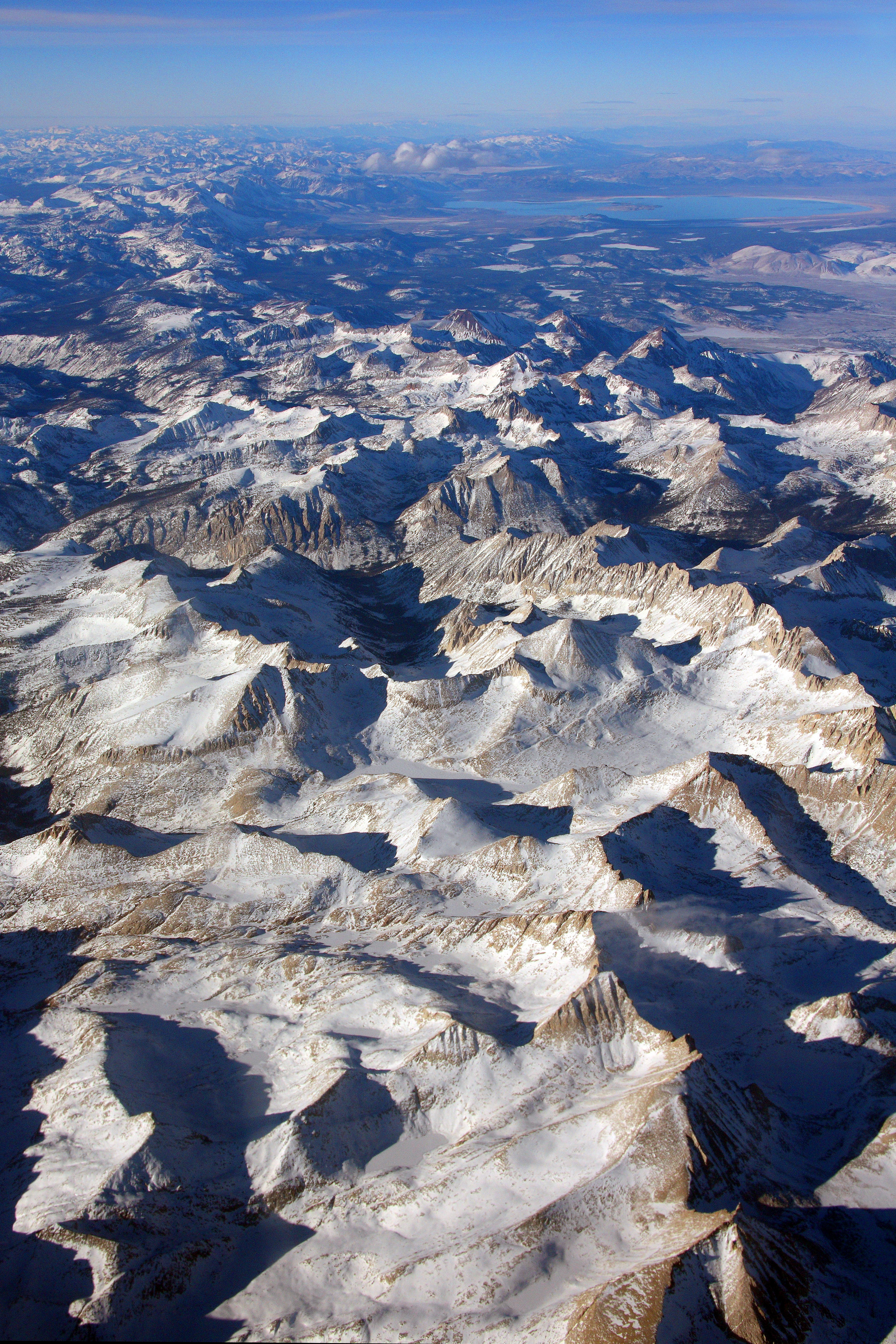

Above the resort village of Pradollano, the Veleta chairlift unloads riders at roughly 3,000 metres, with the summit ridge of Pico del Veleta — the third-highest peak on the Iberian peninsula at 3,396m — looming a short hike-a-bike further on. From here the signature descent, El Río, drops nearly 1,200 vertical metres over around 15 kilometres of granite slabs, scree chutes and high-alpine singletrack before threading the pine line back to the lift base. There are few lift-accessed rides in Europe that start this high, and the thin air at the top tells you so within the first switchback.
The trail network
Sierra Nevada Bike Park runs three lifts — a cable car, a chairlift and a magic carpet — feeding a published seven downhill routes plus the multi-use Fuente Alta circuit, for more than 30 kilometres of waymarked descent and close to 1,000 metres of vertical on signposted trails. The routes are colour-graded in the European convention (green, blue, red, black).
- Veleta and Bulevares (blue/red) — the natural progression trails, flowing alpine singletrack used to gauge the altitude before stepping up.
- Peñones, Montebajo, Río and Maribel (red/black) — the expert lines, mixing fast rock gardens, exposed traverses and committing rolls.
- Fuente Alta (green/blue) — a multi-use circuit shared with hikers and XC riders, useful for warm-ups and shake-down laps.
The published descent corridor runs roughly 2,150m to 3,028m, which puts most of the trail network above the tree line. Expect dust, sun exposure and rapidly changing weather; afternoon storms in July and August are routine.
Lift system and access
The Borreguiles gondola and the Veleta chair carry bikes from Pradollano to the upper stations. The magic carpet serves the beginner zone at the base. A day pass costs around 20 euros, with lifts running 10:00 to 18:00 during the bike-park window. A bike wash sits at the Pradollano entry point, which matters more than it sounds — the descents kick up fine alpine grit that destroys drivetrains quickly.
Season — short, sharp, and weather-dependent
This is the critical caveat: the bike park typically opens late June and closes in early September, with the 2026 published window running 28 June to 7 September. The resort is primarily a winter operation — Sierra Nevada Ski Station holds Europe's southernmost lift-served skiing — and snow lingers on the upper trails well into June. The shoulder days at either end of the window tend to be the quietest; mid-July through mid-August is hottest in the valley but coolest at altitude, where afternoon temperatures can drop fifteen degrees from Granada below.
Getting there without flying short-haul
Granada is on the Spanish AVE high-speed rail network, with roughly three daily direct services from Madrid (around three and a half hours) and one from Barcelona (about six hours). From Granada city, a bus or transfer covers the 32-kilometre climb to Pradollano in roughly 40-45 minutes; the Sierra Nevada road gains nearly 1,800 metres of elevation on the way up. For riders flying in, Granada-Jaén Airport (GRX) sits about 40 minutes from the lift base, with Málaga (AGP) a longer but better-connected option at roughly two hours by road.
Choosing the train over a short-haul flight makes a meaningful dent in the trip's carbon footprint, and the AVE schedule pairs neatly with an early-afternoon arrival in Pradollano — enough time for an evening shake-down lap before the lifts close.
Where to base
Pradollano itself is the obvious base: ski-in/ski-out hotels and apartments convert into bike-friendly lodging for the summer, with secure storage, on-site wash bays and direct walk-up access to the lifts. Riders looking for a quieter, lower-altitude base often choose Monachil or the outskirts of Granada and shuttle up daily — the trade-off is a longer commute against significantly more dinner options and a cooler night's sleep.
Sustainability angle
The Sierra Nevada massif sits inside a national park and a UNESCO biosphere reserve, and the bike park's footprint is constrained accordingly: waymarked descents only, no off-piste cutting, and a firm seasonal close to protect alpine vegetation. Riders who travel by AVE, base in Pradollano and ride the lift network rather than driving daily shuttles produce a markedly lower trip footprint than the typical fly-and-shuttle alternative.
Who it suits
Sierra Nevada rewards confident intermediates and above. The altitude is the differentiator — fitness that feels fine at sea level can feel noticeably thinner at 3,000m, particularly on the first day. Riders comfortable on red-graded descents elsewhere in Europe will find a deep menu here; expert riders looking for big-mountain enduro terrain with lift access have few European equivalents.
Find a hotel in Sierra Nevada
Same prices as Booking.com. 1 tonne CO₂ retired per stay. €5 credit on signup.
Search now →