Cape Town MTB Guide: Tokai Forest & Table Mountain Trails
Cape Town's Tokai Forest is the only dedicated MTB trail system inside Table Mountain National Park, stitching green-graded jeep climbs to black-graded fall-line on the slopes above False Bay. A guide for riders who want the city, the fynbos and the descents in one window.
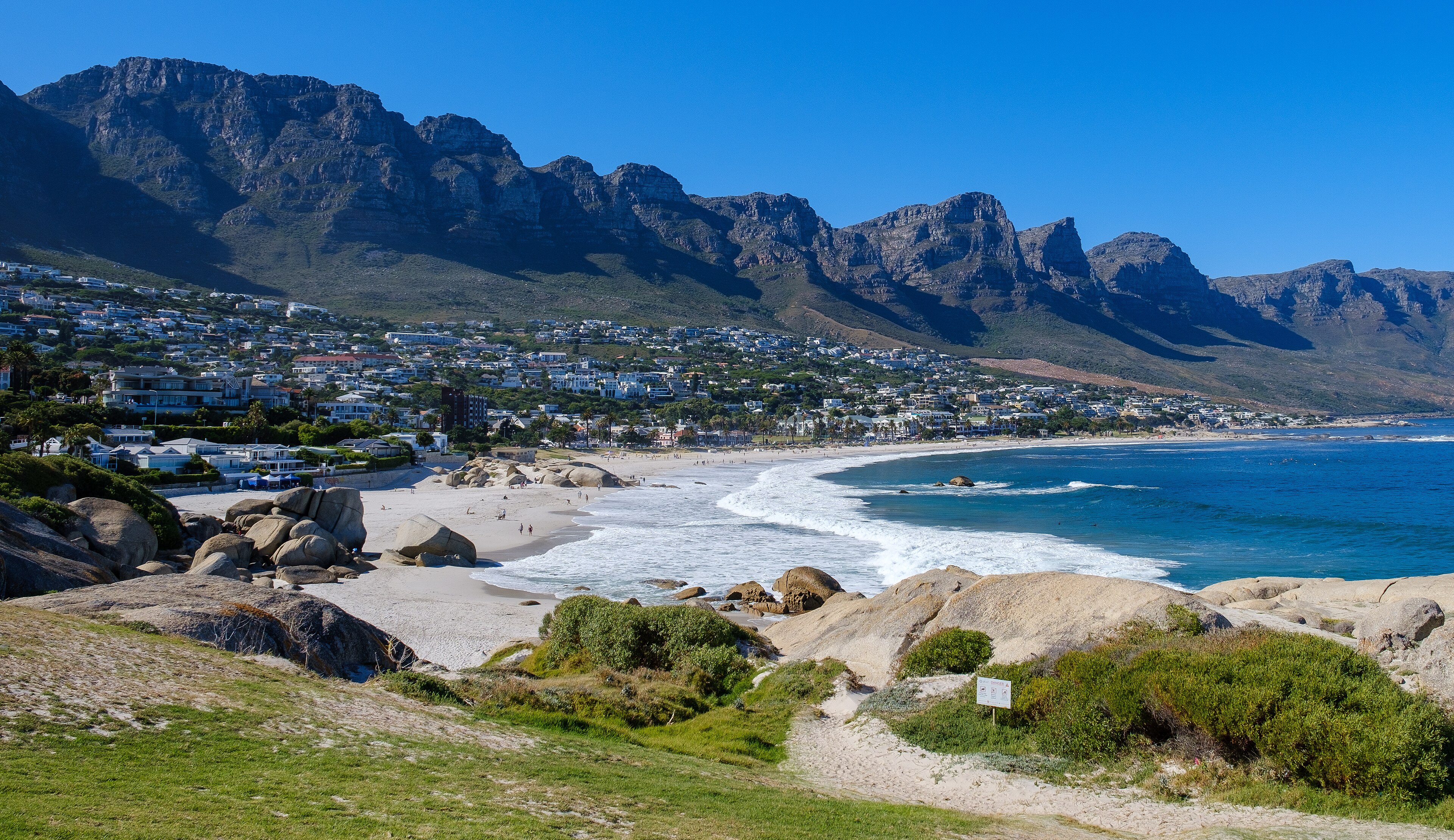
Twenty minutes south of the V&A Waterfront, the gravel of the Main Jeep Track climbs into the burned and replanted pines of Tokai Forest. The fynbos smells of resin and salt; False Bay sits 600 metres below; and above, the granite ridge of Constantiaberg falls away to a singletrack network that is the only purpose-built MTB trail system inside Table Mountain National Park. Tokai is not a lift-served bike park. It is a volunteer-built mountain stitched onto the southern edge of a city of five million people, and it is what makes Cape Town a serious destination ride.
Signature trails: the Snakes, Vasbyt and the DH lines
The upper network is known locally as the Snakes — a stack of blue-graded descents named Mamba, Boomslang and Cobra, threaded together by the Level 1 to Level 5 jeep tracks. A typical Snakes loop runs 13 to 15 km with 350-450 m of climbing, almost all of it earned on fire road before being given back on flowing, rooty singletrack.
Two trails define the area for visiting riders. Vasbyt is the blue-graded benchmark: a long, sculpted descent with rock gardens, optional gaps and high-speed corners that reward commitment rather than punish hesitation. Above it sit the black-graded DH lines — DH1, DH2 and DH3 — the most-ridden downhill trails in South Africa, peppered with drops, loose steeps and natural rock features carved into the burn scar of the 2015 fire. Lower down, Faerie Garden (green) offers a calmer climbing alternative to the Main Jeep Track, and Boulders (blue) rewards fitter riders with technical traverse riding under the canopy.
Grading at a glance
- Green — Faerie Garden, Tokai Road; bidirectional, smooth, suitable for first-time off-roaders.
- Blue — Vasbyt, the Snakes (Mamba, Boomslang, Cobra), Boulders; flow with optional features, technical in places.
- Black — DH1, DH2, DH3 and linked enduro lines; steep, fall-line, rock and drops, full-face advised.
How the "park" actually works
There is no chairlift. Riders climb Tokai under their own power on a network of numbered jeep tracks (Level 1 through Level 5) that fan up the mountain to roughly 500 m elevation. Access is managed by SANParks: visitors need either a Wild Card / Level 3 Activity Permit for the year, or a day permit purchased at the trailhead. Trail maintenance is run by TokaiMTB, a volunteer organisation that has rebuilt the network since the 2015 fire — a small membership donation directly funds the dig crews. Silvermine, ten minutes south on the same massif, adds a second SANParks-managed network and is often combined with Tokai on longer trips.
Getting there without a 4x4
Cape Town International (CPT) sits 30 km north of Tokai. The MyCiTi airport bus runs every 20 minutes to the Civic Centre in roughly 30 minutes, but it does not serve Constantia or Tokai directly — riders connect via the Southern Line train towards Wynberg, then a short transfer. Many visitors share a rental car or a pre-booked shuttle from a southern-suburbs guesthouse, which keeps the daily car-kilometres modest. For shorter stays, basing in Tokai, Constantia or Muizenberg puts the trailhead within a 15-minute pedal — a notable carbon saving on a trip that began with a long-haul flight.
Shoulder vs peak season
Cape Town's winter sits between June and August, when Atlantic fronts can shut Tokai down for days. The two genuine windows are:
- August-September (late winter): fynbos in flower, waterfalls full, the lower slopes still tacky. Cold mornings, riders' favourite for grip.
- October-April (summer): long, dry, hot. The southeasterly "Cape Doctor" can blow hard on the ridges. Late March-early April coincides with the Absa Cape Epic, the eight-day stage race that draws an international field across the Western Cape — book lodging early.
Peak summer days mean dawn rides; the trails dry out and become dusty by midday, and fire risk closures are real. September threads the needle: warm afternoons, settled weather, fewer crowds than Epic week.
Where to base
Tokai, Constantia and Muizenberg form the natural triangle for a 3-5 day trip. Constantia leans wine-estate quiet; Muizenberg is the surf town with cafes that open at 06:00; Tokai itself is residential and within rolling distance of the gate. Riders chasing both the mountain and the city tend to split nights — two near the trailhead, one in the Bo-Kaap or Sea Point for the urban ride out to Cape Point or up Signal Hill on a rest day.
Sustainability notes
The honest truth: most international visitors arrive by long-haul flight, and that dominates the trip footprint. The leverage points on the ground are smaller but real — basing close to the trail, using the Southern Line train for in-city moves, and paying the TokaiMTB membership rather than only the day permit, which directly funds trail crews working in a national park rebuilding from fire damage.
A top-to-bottom POV of Tokai's most-ridden downhill line, dropping off the lower slopes of Constantiaberg above Cape Town.
Find a hotel in Cape Town
Same prices as Booking.com. 1 tonne CO₂ retired per stay. €5 credit on signup.
Search now →