Beirut Mountains MTB Guide: Faqra & Mzaar Trails, Lebanon
An hour from Beirut, the Mount Lebanon range stacks Roman temple ruins, Mediterranean ridgelines and a 2,465m ski-resort summit into one of the Middle East's most surprising mountain bike playgrounds.
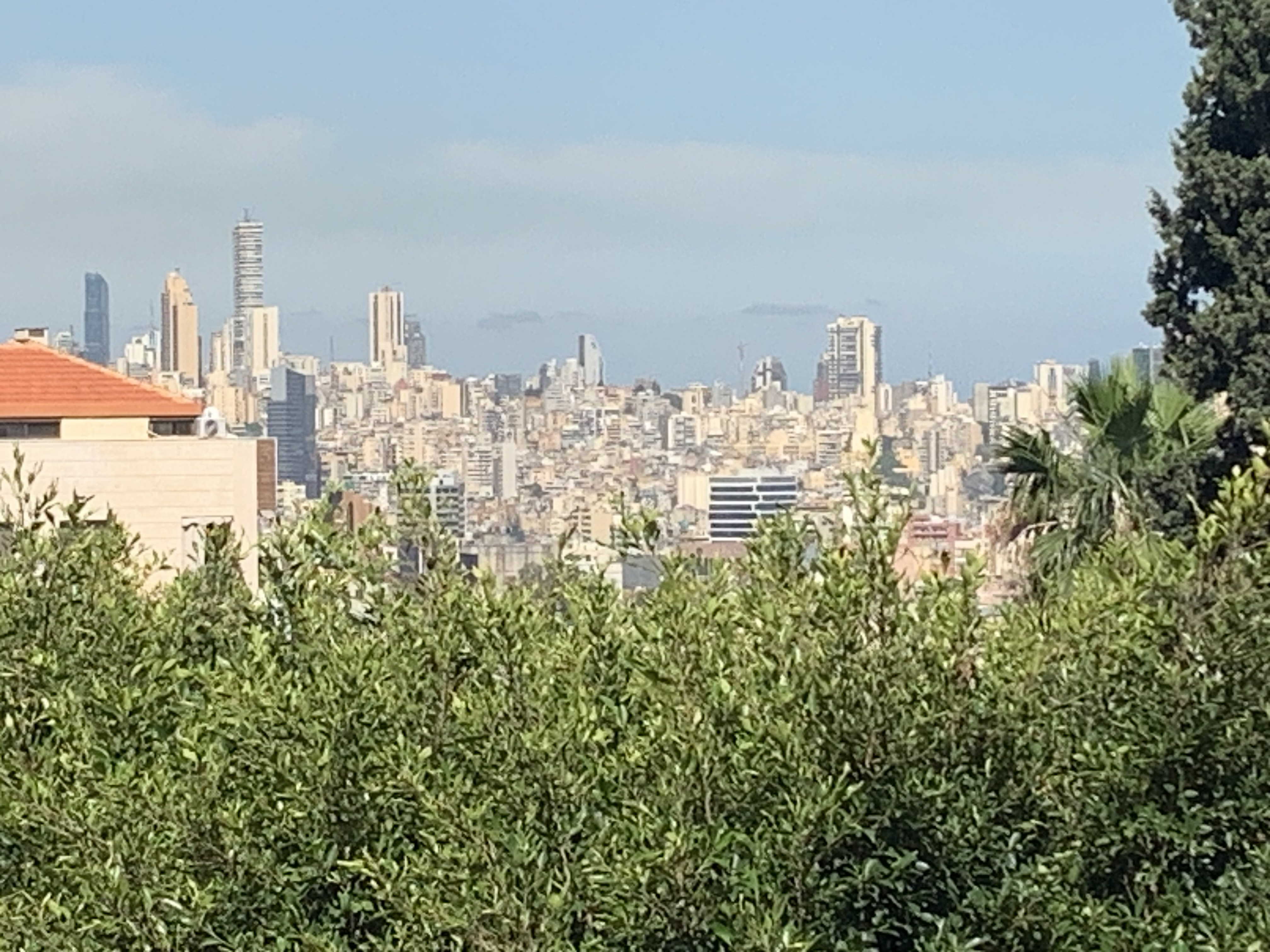

At 1,913 metres above the Mediterranean, the wind off Mzaar carries the faint scent of cedar and salt at the same time. Few mountain destinations let a rider see open sea from the summit, traverse a Roman-era limestone arch on the way down, and finish the day on a manakish on a village terrace. The Mount Lebanon range, an hour inland from Beirut, does exactly that. Centred on the linked resorts of Faqra and Mzaar Kfardebian, this is Mediterranean mountain biking in its truest form: high, dry, sun-bleached limestone singletrack on a ridge that drops straight to the coast.
The lay of the land
Mzaar Kfardebian is the largest ski resort in the Middle East, with peaks between 1,913 m and 2,465 m and roughly 80 km of pistes served by 20 lifts in winter. Five kilometres south, Faqra sits a touch lower, 1,500-2,000 m with a 240 m vertical drop, tucked beneath the bulk of Mount Sannine. Summer turns both into a quiet, high-altitude playground. Lift-served bike-park infrastructure is modest compared with Alpine resorts — this is not Morzine — but the gravel access roads, shepherd tracks and snow-cat trails that braid the bowls open into a network of all-mountain singletrack that few riders outside Lebanon have heard of.
Signature rides
Most visiting riders base out of Mzaar village (Ouyoun El Simane) and run a handful of established loops. Trails are rarely waymarked with European-style grade colours, so a local guide is genuinely worth it the first day out.
- Warde to Mzaar — a classic intermediate ridgeline traverse linking the Warde and Mzaar peaks, with broad gravel climbs and rockier descents on the lee side. Expect roughly 15-20 km depending on the line chosen.
- Chabrouh Lake loop — starting at the Mzaar base, a short tarmac approach feeds into the bowl around Chabrouh dam. The crux is a 370 m climb in 5 km, paying out with rolling alpine-meadow singletrack and views straight down to Jounieh Bay.
- Faqra to Roman temples — a shorter, more technical ride from the Faqra Club area that drops past Qalaat Faqra, a Roman archaeological site inside the UNESCO-listed Nahr al-Kalb valley, and the famous 35-metre natural limestone bridge. Faqra advertises more than 7 km of marked snow trails that double as bike lines in summer.
- Mzaar to Zahle — a full-day, point-to-point epic crossing the watershed east into the Bekaa Valley. Most riders book it as a guided shuttle day starting around 09:00 from the resort.
Lift and access reality
Honesty matters here: Mzaar is primarily a winter operation. A small kids' bike park runs in summer and selected chairs spin for sightseeing on weekends, but a full lift-fed bike-park product in the Alpine sense does not yet exist. What works is pedal-up, descend-down on the resort's gravel network, or a vehicle shuttle to the col and a long traverse back to the village. Bike rental is available locally — Samir Sport at Faqra Club is the long-running outfitter — though serious riders typically bring their own enduro hardtail or a 140 mm trail bike.
Getting there
Beirut-Rafic Hariri International Airport (BEY) is the only sensible entry point. Mzaar Kfardebian sits about 48 km / 41 driving minutes from the terminal in light traffic, stretching to 90 minutes if Beirut's afternoon rush is in full flow. Faraya village is 55 km, around 65 minutes. There is no train; ground options are:
- Private taxi or pre-booked transfer — USD 60-75 one way, the default for visiting riders with bike bags.
- Shared minibus — runs daily between Beirut's Dora hub and Faraya village; cheap, frequent, but limited bike capacity.
- Rental car — practical given the short distance and the freedom to chase trailheads; the road up from Jounieh is well surfaced.
Lebanon uses the Lebanese pound but the economy is heavily dollarised — carry small-denomination USD in cash. Arabic and French dominate; English is widely spoken in the resort area.
Season window
The riding calendar is the inverse of the ski one. The ski season runs early December to early April, and the upper bowls hold snow well into May in a heavy year. Practical mountain biking begins once the trails dry — typically mid-April to mid-November — with a sweet spot in May-June and September-October when daytime temperatures at 1,500 m sit in the high teens to low twenties Celsius and the coast below is already in the thirties. Summer rides start early; afternoon thunderstorms over Sannine are not uncommon in July and August. There is no monsoon and no typhoon risk — this is a dry Mediterranean climate — but high-summer midday riding on exposed limestone is punishing.
Where to stay
The natural base is Ouyoun El Simane, the resort village at the foot of Mzaar, with the InterContinental Mzaar and a cluster of smaller chalet-style hotels. Faqra Club, founded in 1974, and the nearby Auberge de Faqra and Terre Brune hotels offer a quieter, more clubhouse feel a few minutes down the road. Both villages empty out between ski and summer-festival seasons, which is precisely when the riding is at its best — expect to have most trails almost to yourself in shoulder season.
Why ride here
The Mount Lebanon range is not a polished European bike-park destination and does not pretend to be. What it offers is rarer: real high-altitude singletrack on a Mediterranean massif, a 2,000-year archaeological backdrop, and a short hop from Beirut's restaurants and Roman heritage on the coast. For riders willing to organise a guide, ride pedal-up, and accept that the trail map lives mostly in local heads, Faqra and Mzaar are one of the most genuinely distinctive mountain biking experiences in the region.
Find a hotel in Beirut Mountains
Same prices as Booking.com. 1 tonne CO₂ retired per stay. €5 credit on signup.
Search now →