Bariloche MTB Guide: Cerro Catedral, El Paco & Cerro Otto Trails
Lift-served descents on the flank of the Andes, a seven-kilometre singletrack that drops to a glacial lake, and a summer riding window few Northern Hemisphere riders bother to plan around. Bariloche rewards anyone who does.
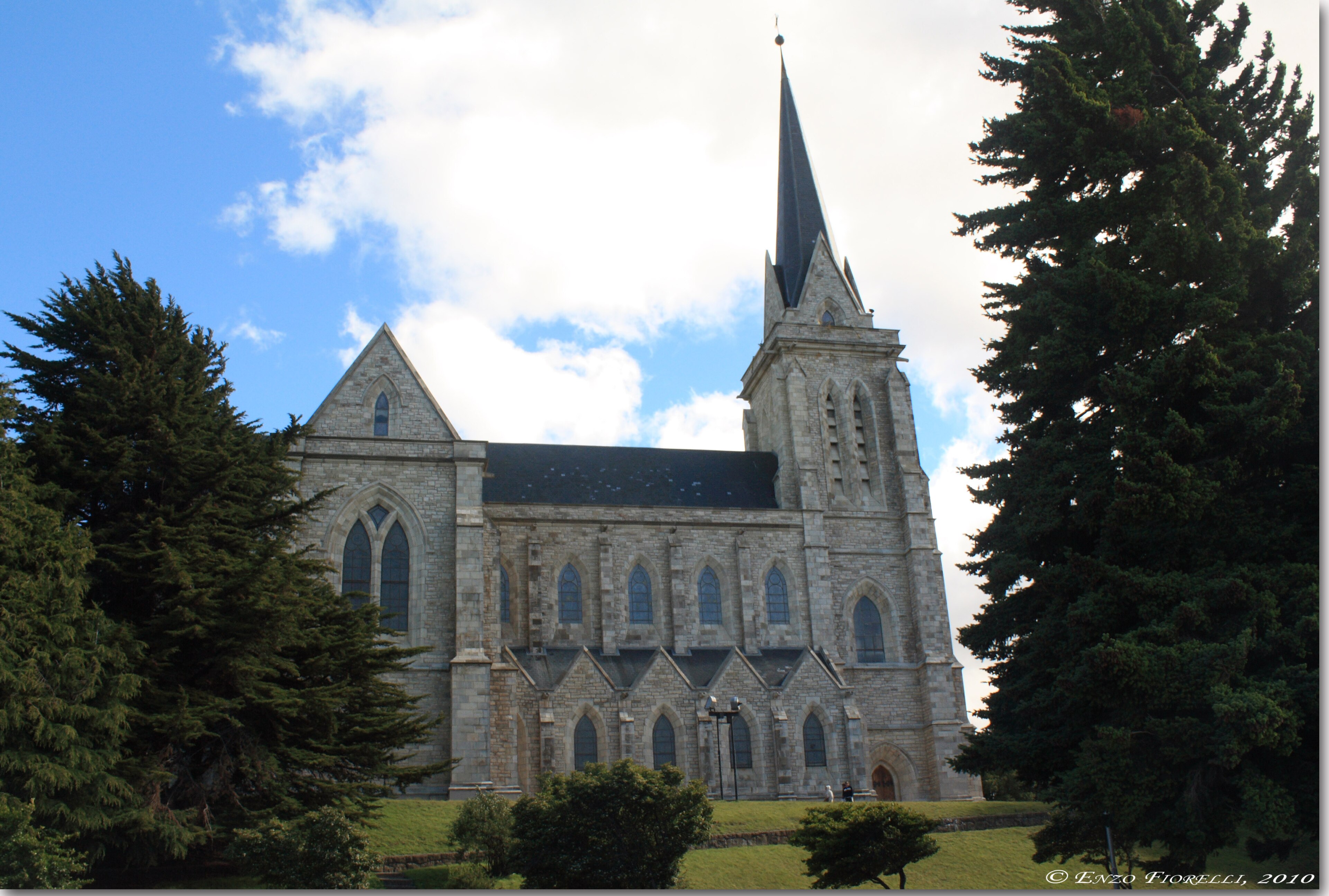
The descent line cut into the southern face of Cerro Catedral falls roughly 600 vertical metres over 2.8 kilometres of dry, chalky volcanic dust that turns to talcum by January. That race track, built originally for the iXS Downhill Cup round held here in 2016, is still rideable, still brutal, and still one of the few places in South America where a chairlift can put a rider above the treeline on a working ski mountain.
Bariloche sits on the southern shore of Lago Nahuel Huapi in Argentine Patagonia, 1,600 kilometres south-west of Buenos Aires. Cerro Catedral, 19 kilometres from the town centre, is the largest ski resort in South America and the spine of the riding here. The lift-served bike park as a formal operation wound down in 2021 when the official race circuit migrated north to Cerro Bayo, but the trails did not disappear. Local builders kept them open, added jumps, bridges and signage, and during summer the resort's chairlifts and gondolas run on selected days for cyclists and hikers up to roughly 2,000 metres.
Cerro Catedral: the signature descents
The mountain holds 28 mapped trails, around two dozen of them ridden on bikes. Most carry more than 500 metres of elevation per run, and the official tourism board grades the area as predominantly intermediate to expert. The race line off the upper station is the headline: long, exposed, technically rocky in its upper third, faster and looser through the lower forest. Adjacent trails fan out across the southern flank and the resort's central bowl, with shorter, blue-graded options closer to the base at Villa Catedral for riders building into the terrain.
One non-negotiable caveat: the lifts do not run on a fixed summer biking calendar. Confirmation through Catedral Alta Patagonia or a local outfitter is essential before booking flights around lift access. On days the gondola is closed, the climb up the fire road from Villa Catedral takes most riders 90 minutes to two hours.
El Paco: the seven-kilometre point-to-point
Off the resort, the trail every visiting rider asks about is Paco Etchegaray — known locally as El Paco. It starts at the base of Cerro Catedral and runs roughly seven kilometres of fast, flowing intermediate singletrack through lenga forest before finishing at a beach on Lago Gutiérrez. A hardtail will handle it; a 140-millimetre trail bike is more enjoyable. Most operators run it as a shuttle, with a swim at the lake at the end.
Cerro Otto, Cerro López and the wider network
Bariloche's reputation rests on more than one hill. Cerro Otto, almost in town at 1,400 metres, is the area's freeride core: vehicle-accessed summit, eight named descent lines, and dozens of linking trails. San Martín, between Otto and Catedral at 1,200 metres, holds the most technically demanding downhill tracks in the region. For backcountry, the link from Cerro Catedral up over Cerro López (2,050 metres) and onward to Refugio Jakob at 1,880 metres is a full alpine day that demands fitness, navigation and weather judgement rather than a lift pass.
Getting there: the long way south
San Carlos de Bariloche Airport (BRC) takes scheduled domestic flights from Buenos Aires Aeroparque in roughly two hours and twenty minutes. The slow alternative — and the more interesting one — is the overnight long-distance coach from Buenos Aires Retiro terminal, which covers the 1,600 kilometres in 21 to 23 hours on cama-suite services. There is no longer a regular passenger train serving the route. From the airport, Cerro Catedral is a 40-minute taxi or transfer; bike-friendly shuttles run from the town centre to Villa Catedral throughout the summer.
For riders weighing the climate cost of the trip, the honest read is that Bariloche is a long flight from anywhere. Stacking five or six riding days, combining Catedral with Otto, El Paco and a backcountry traverse, and using ground transport for the regional legs all do more to justify the journey than any single offset.
Shoulder versus peak season
The riding season runs broadly from December through April, the Southern Hemisphere summer. December delivers long daylight but lingering snow on the upper Catedral lines. February and March are the prime months: stable weather, dry trails, full lift schedules when they run, and the best of the alpine routes. April brings autumn colour through the lenga and quieter trails, with a real risk of early-season snowfall on the upper mountain by month's end. The ski season takes over from roughly mid-June to early October; serious lift-served riding is not an option then.
Where to base
Two practical bases. San Carlos de Bariloche itself puts riders close to Cerro Otto, the trail-bike shops on Calle Mitre, asado restaurants and the long lake shore — at the cost of a daily transfer to Catedral. Villa Catedral, the small resort village at the lift base, trades nightlife for ski-in, ride-out access and quiet evenings. A four-to-six-day trip splitting nights between the two captures the full network without burning hours in a van.
International mountain bike racing on the dry, dusty descents of Cerro Catedral above Villa Catedral.
Find a hotel in Bariloche
Same prices as Booking.com. 1 tonne CO₂ retired per stay. €5 credit on signup.
Search now →