Ballyhoura MTB Guide: Ireland's Largest Trail Centre, Munster
Straddling the Cork-Limerick border, Ballyhoura packs roughly 98km of waymarked singletrack into five stacked loops, with a new generation of black trails pushing Ireland's largest trail centre into proper enduro territory.
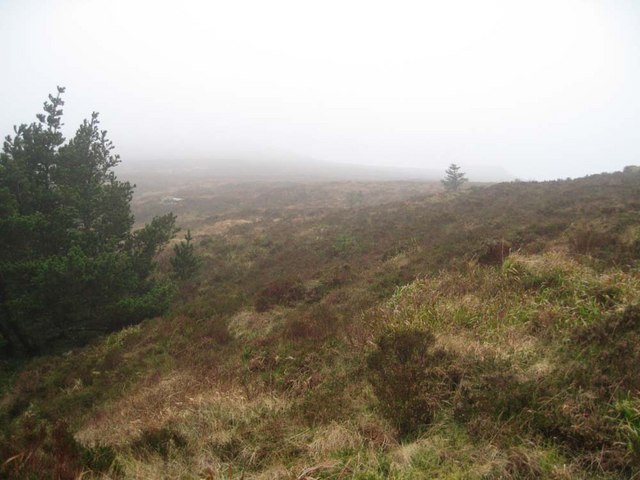

From the trailhead car park outside Ardpatrick in east Limerick, the first kilometre of the Greenwood loop climbs gently through Sitka spruce before the singletrack tightens against a slab of slick Carboniferous sandstone. That single transition, from forest road to rooted, off-camber rock, is a fair preview of what Coillte has built across the Ballyhoura range: roughly 98 kilometres of waymarked trail, stitched into five concentric loops, on the border between counties Cork and Limerick. It is the largest dedicated mountain-bike trail network in Ireland, and since a multi-year refurbishment programme reopened in 2022-23, it is also one of the most technically up-to-date.
The five loops, stacked
Ballyhoura is laid out as a Russian-doll trail system: every loop shares the early kilometres of the next one down, so riders can extend or bail without retracing. There are two blue-grade loops and three red-grade loops, with newer black-grade descents threaded into the upper network.
- Greenwood, 7 km, blue. The introduction: forest-road climbs, short flowy singletrack, and named segments including Calling Huey and The Snake. Manageable on a hardtail.
- Mountrussell, 17 km, blue. Shares Greenwood's opening before pushing further into the forest. Narrower, rockier, and noticeably steeper on the climbs.
- Tech Loop, 28 km, red. The pivot into difficult terrain: variable surfaces of rock, roots, loose stone and gravel, with sustained technical singletrack rather than punchy features.
- Garrane, 35 km, red. Heads west from waypoint three and rewards the legs with long, fast singletrack descents earned by equally long forest-road grinds.
- Castlepook, 51 km, red. The full traverse to the southern fringes of the forest. The longest climbs and the longest descents on the network, and the standard objective for fit riders with a full day.
Newer black-grade trails such as Sledge, Skyline and Kinder, opened from 2023 onward, have given Ballyhoura the steep, raw character that earlier generations of trail-centre singletrack lacked.
A trail centre, not a bike park
One distinction matters before booking flights. Ballyhoura is a pedal-powered, waymarked trail centre on Coillte forestry land, not a lift-served gravity park. There is no chairlift, no gondola, no shuttle as standard, and no signposted downhill-only runs. Climbs are part of the loop. Riders looking for chairlift laps will find none here, but those happy to earn descents get a network whose total vertical, accumulated across a full Castlepook lap, comfortably exceeds many lift-served days elsewhere in Europe.
The trailhead at Ardpatrick has parking (€5 per car at last check), toilets, bike wash and showers. On-site operator Trailriders runs hire, including full-suspension and e-MTB rentals.
Season, weather, and shoulder months
Ballyhoura rides year-round, but realistic windows matter. Peak conditions land in late spring and early autumn: May, June and September typically combine the firmest tread with the longest daylight. Mid-summer can be hot and dust-fast, though Irish weather rarely commits to that for long. Winter riding is entirely possible — locals do it every weekend — but expect mud, standing water on forest roads, and slow rotational rocks on the technical sections. Many of the newer black descents drain better than the older red loops; riders chasing them in shoulder months should still pack mud tyres.
Events and racing pedigree
Ballyhoura has long featured on the Irish Gravity Enduro and Grassroots Enduro calendars and has hosted the Cycling Ireland Enduro National Championships. Worth clarifying for visiting riders: the Enduro World Series rounds held in Ireland between 2015 and 2017 ran at Carrick Mountain in County Wicklow, not at Ballyhoura. The Munster venue's reputation rests instead on the depth and quality of its everyday network rather than a single marquee weekend.
Getting there without flying
For riders trying to keep the carbon footprint of a riding trip honest, Ballyhoura is one of the more rail-accessible major trail centres in Western Europe. Charleville, on the Dublin–Cork mainline, sits roughly 25 km from the trailhead and is reachable from Dublin in around two hours by Irish Rail. Local Link route 520 connects Charleville with Kilfinane and Ardpatrick. Limerick city has twice-daily buses to Kilfinane. For those who must fly, Shannon (around 1 hour by road) and Cork (around 1 hour 10) are the closest gateways; Dublin Airport is roughly 2.5 hours by car.
Where to stay
The villages of Kilfinane, Ardpatrick and Kilmallock cluster within fifteen minutes of the trailhead and offer the most practical bases — bike-friendly B&Bs, small guesthouses, and self-catering cottages used to muddy kit. Riders chasing rest-day options will find Cork city to the south and Limerick city to the north both within an hour's drive, with the Mitchelstown Caves and the Galtee Mountains close enough for a second-day excursion that does not require reloading bikes.
Who it suits
Ballyhoura rewards intermediate riders willing to step up and is genuinely demanding for experts who tackle the full Castlepook lap or chain together the newer black descents. Pure beginners will find Greenwood manageable but should not assume the rest of the network scales gently from there. The right plan: arrive with a trail or enduro bike, two days of riding minimum, and weather that does not look like it will define the trip.
Junior downhill world champion Oisin O'Callaghan rides the refurbished Ballyhoura singletrack, including the newer black-grade descents.
Find a hotel in Ballyhoura
Same prices as Booking.com. 1 tonne CO₂ retired per stay. €5 credit on signup.
Search now →