Bali MTB Guide: Pacung, Bali Bike Park & Volcano Trails
Volcanic singletrack, UNESCO rice-terrace traverses and shuttle-served jungle descents above Lake Buyan. A practical guide to riding Pacung, Bali Bike Park and the Mount Batur Volcano Trail without the package-tour gloss.
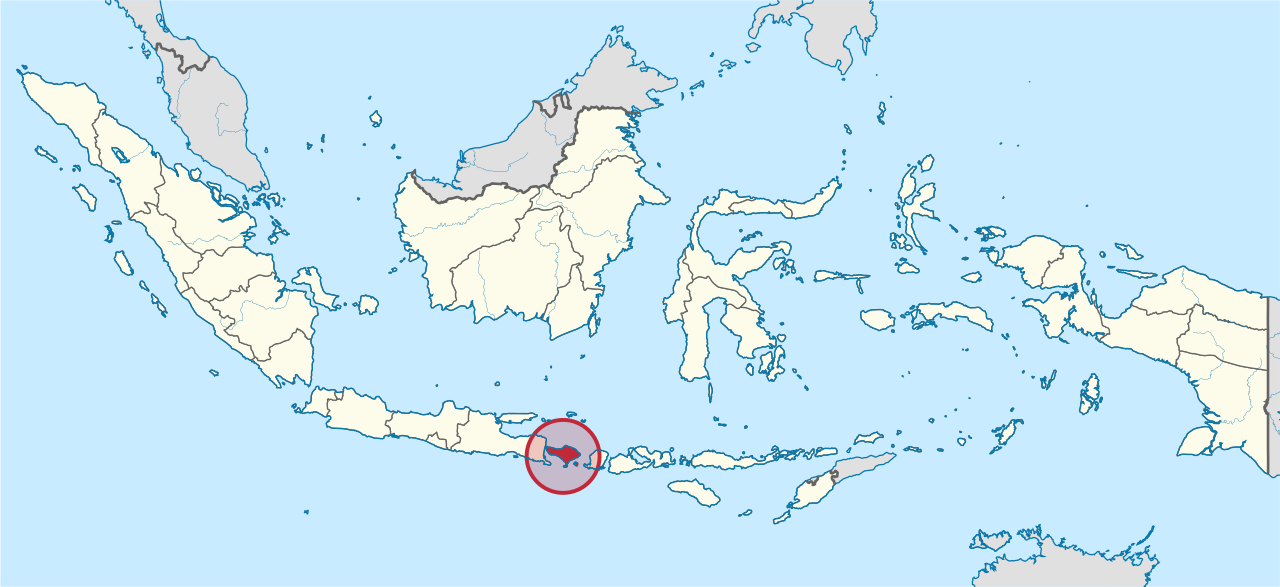
At 1,200 metres above the Java Sea, the morning fog burns off the rim of the Bedugul caldera and the bamboo opens onto a corridor of basalt-black singletrack. Pacung sits on the southern shoulder of that crater, between Lake Beratan and the larger Lake Buyan, and it is the gateway most Bali riders use to reach the highland trail network around Pancasari, Munduk and the original Bali Bike Park. The riding is not the manicured berm-factory experience of an Alpine bike park. It is hand-cut jungle singletrack on volcanic loam, knitted between rice paddies, coffee plantations and clove forest, and it survives largely because a handful of local builders have kept maintaining it for more than a decade.
Signature trails and what they actually ride like
The flagship lift-served descents run out of Bali Bike Park above Pancasari, fifteen minutes by van from Pacung. The park reopened after a three-year forest-access closure during the pandemic and now operates roughly ten hand-built trails on a single shuttle loop. Each run drops about 150 metres of vertical over three kilometres of natural-built singletrack: flowing berms cut directly into the volcanic clay, step-downs and step-ups, the occasional hip, and very little of the bulldozed-jump aesthetic found in European parks. Grades sit broadly in the blue-to-black range; there is no true beginner green line, and wet-weather lines turn properly greasy on the clay.
East of Pacung, the long-distance classic is the Mount Batur Volcano Trail, usually accessed from Kintamani. The standard ride begins at around 1,600 to 1,700 metres on the outer caldera rim and drops roughly 1,400 vertical metres in stages: a fast, loose descent through black volcanic ash, a traverse across the lava field on the 1963-eruption slopes, then cross-country singletrack through banana groves and tiered rice terraces down toward the lowlands. Below that, the Jatiluwih sector links singletrack through the UNESCO-listed subak rice terraces (inscribed 2012) — slow, technical, photogenic riding rather than gravity.
Mount Agung and the eastern descents
For stronger riders, guided enduro days off the slopes of Mount Agung (3,031m, Bali's highest point) deliver descents of up to 2,000 vertical metres into the Karangasem coast, finishing on the coastal road to Amed. These are remote, point-to-point days that depend on a guide with vehicle support — there is no marked trailhead.
Lifts, shuttles and access reality
Bali has no chairlifts. Every gravity ride here is shuttle-served by 4x4 or minivan, or self-pedalled. Bali Bike Park runs an in-house shuttle from its base near Pancasari to the top of its loop in roughly ten minutes; a typical day is four to six laps. Volcano Trail operators shuttle from Ubud or Sanur to the Kintamani rim, which is a two-to-three-hour transfer each way on Bali's congested mountain roads. Riders running their own bikes should plan around traffic: a 60-kilometre transfer can comfortably take three hours mid-morning.
Getting there
The single international gateway is Ngurah Rai International Airport (DPS), on the southern isthmus near Kuta. From DPS, Pacung sits roughly 65 kilometres north via Bedugul; budget two-and-a-half to three hours by private car, longer in school-run traffic. There is no rail on Bali. Public Perama and Kura-Kura shuttle buses run from Kuta and Ubud to Bedugul daily, but carrying a bike bag is awkward — most visiting riders pre-book a private transfer (around IDR 600,000-900,000, roughly €35-55) or stay in Ubud and let a tour operator handle the shuttle. Indonesian rupiah is the only currency accepted at trailheads; ATMs are reliable in Bedugul and Ubud but rare further uphill.
Season window
Bali has two seasons, not four. The dry season runs May to October, with June through August the most reliable window for gravity riding — firmer soil, longer dry windows and clearer volcano views. The wet season (November to April) brings heavy, usually afternoon, tropical downpours; mornings often stay rideable, and the rice terraces are at their most vivid green, but volcanic clay turns to grease and the Batur ash sections become genuinely sketchy. Temperatures stay between roughly 23°C and 32°C year-round; at 1,200m, Pacung mornings can feel surprisingly cool. There is no typhoon season here — Bali sits south of the typhoon belt — but lightning storms over the central mountains are routine in the wet months.
Where to stay
Three bases make sense. Pacung and Bedugul put riders closest to Bali Bike Park and the highland trails, with a cluster of mid-range mountain lodges overlooking the lakes; nights are quiet and cool. Ubud, an hour south, offers more food, coffee and bike-shop options and is the standard pickup point for most guided operators. Sanur works for riders combining MTB with the ferry to the Gili Islands or Lombok. Bahasa Indonesia is the national language, but English is widely spoken in tourist areas; trailhead villages will be Balinese-speaking, and a guide remains the practical default for anything beyond Bali Bike Park's marked loop.
Riding lightly
The subak irrigation system that feeds the Jatiluwih terraces is a thousand-year-old communal water network, and the singletrack runs directly on its earth banks. Local guides ask riders to dismount through working paddies, avoid skidding on the bunds, and tip the farming communities whose land the trails cross — a small but meaningful part of why the network still exists.
POV of the Batur Volcano Trail with Infinity Mountain Bike, dropping from 1,700m through black-sand singletrack toward the Kintamani caldera floor.
Find a hotel in Bali
Same prices as Booking.com. 1 tonne CO₂ retired per stay. €5 credit on signup.
Search now →