Cannes Film Festival 2026: Where to Stay on the Riviera
For eleven days each May, the curve of the Croisette becomes the most scrutinised stretch of pavement in world cinema. Cannes surrenders its terrace cafés and palm-shaded promenades to festival-goers who arrive with credentials, expectations, and a tolerance for mayhem. The 2026 edition runs from 14 to 24 May, the same high-stakes window when accreditation badges unlock red-carpet premieres, industry deal-making migrates to yacht decks, and hotel tariffs reach their annual peak. Away from the Palais des Festivals' queues, the old harbour still fills with fishing boats at dawn, the Suquet's cobbled lanes empty after dark, and a thirty-minute train delivers you to quieter Riviera towns where pre-war tile and wisteria persist. This is how you navigate the calendar's most glamorous collision of art and commerce.
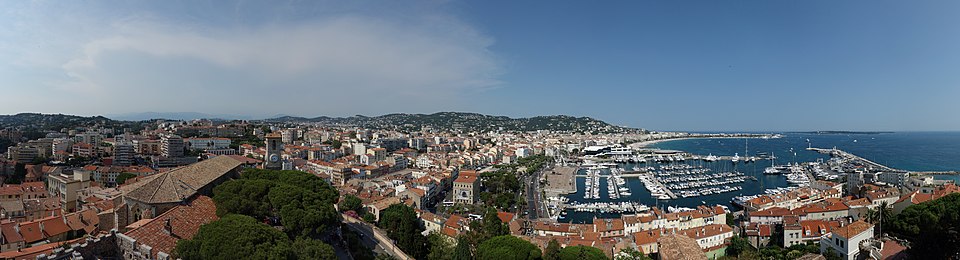
The festival geography: Croisette, Suquet, and the margins
The Palais des Festivals anchors the western end of La Croisette, the two-kilometre seafront boulevard where most of the action unfolds. Luxury hotels occupy the prime stretch between the Palais and Pointe Croisette; their lobbies function as impromptu deal rooms, and their terraces become see-and-be-seen stages. Room rates along this corridor climb steeply during the festival—expect a two-to-threefold premium over shoulder-season tariffs—but proximity to screenings, parties, and the Marché du Film pavilions justifies the cost for many visitors.
The Suquet, Cannes' old quarter, rises steeply behind the harbour. Its narrow streets shelter neighbourhood bistros, small hotels in converted townhouses, and views across the Baie de Cannes that improve with altitude. It's a fifteen-minute uphill walk from the Palais, manageable if you pack light and avoid stilettos. The payoff is quieter evenings, lower rates, and morning coffee among locals rather than badge-wearers.
Beyond the centre, Antibes and Juan-les-Pins offer credible fallback options when Cannes proper is fully booked. The train journey takes twelve minutes; services run every twenty minutes until past midnight. Both towns retain their own character—Antibes for its rampart-ringed old town and Picasso museum, Juan-les-Pins for Art Deco villas and a jazz-festival legacy—and hotel inventory opens up considerably once you cross the municipal boundary.
What actually happens during the fortnight
The festival operates on parallel tracks. The official competition—around twenty films vying for the Palme d'Or—runs alongside Un Certain Regard, the Directors' Fortnight, and Critics' Week, each with distinct curatorial voices. Screenings begin mid-morning and continue past midnight, with the Grand Théâtre Lumière hosting the most anticipated premieres. Tickets for Competition screenings require accreditation; the general public can access certain sections, but availability is limited and queues form early.
The Marché du Film, the industry's largest trading floor, occupies pavilions along the beach and inside the Palais. Deal-making peaks mid-festival; by the final weekend, distributors have either closed their acquisitions or moved on. Press conferences, panel discussions, and masterclasses fill the daytime gaps between screenings, while evening parties migrate from hotel suites to rented villas in the hills above Cannes.
For visitors without festival credentials, the atmosphere is the draw. The red-carpet arrivals at dusk, the photographers massed on stepladders, the overspill of glamour into pavement tables—it's theatre as much as cinema. The official selection's posters line the Croisette, free outdoor screenings appear on Pantiero beach after dark, and the sheer density of cinephiles transforms casual conversations into impromptu film seminars.
Dining when the town is at capacity
Restaurant reservations during the festival require either advance planning or flexibility. The Croisette's palace-hotel dining rooms—La Palme d'Or at the Martinez, Le Park 45 at the Grand—raise their prices and enforce dress codes; they're reliable but rarely spontaneous. For better value and a local crowd, head inland: Le Caveau 30 on rue Félix Faure serves Provençal staples in a vaulted cellar; Aux Bons Enfants, a no-reservations institution near the Forville market, offers a single handwritten menu that changes daily.
The Forville market itself operates every morning except Monday, and it's worth the early start. Stalls sell violet artichokes, Menton lemons, socca vendors who've been in the same spot for decades, and fishmongers unloading catch from the old port. Assemble a picnic and escape to the Lérins islands—ferries depart hourly from the Vieux Port, and both Île Sainte-Marguerite and Île Saint-Honorat offer shaded trails, quiet coves, and abbey-brewed wine far removed from the festival frenzy.
Late-night hunger finds answers along rue Meynadier, where pizza-by-the-slice shops and Lebanese takeaways stay open past 2 a.m. It's the route festival-goers take after evening screenings, a corridor of neon signs, overheard plot dissections, and the kind of casual encounters that turn into decades-long collaborations.
Navigating Cannes without losing your mind
Traffic along the Croisette slows to near-paralysis during the festival. Security checkpoints, road closures for red-carpet arrivals, and the sheer volume of taxis idling outside hotels create bottlenecks that can turn a five-minute journey into thirty. Walking is faster for most central destinations; the promenade is pedestrian-friendly, well-lit after dark, and offers the bonus of people-watching.
Bikes are a practical alternative—Cannes has invested in cycle lanes along the seafront and into the hills—but rental availability tightens during peak weeks. Book ahead or arrive early in the morning. E-scooters proliferate, though their legality on pavements remains contested and enforcement inconsistent.
For trips beyond Cannes, the train network is excellent. The Gare de Cannes sits just north of the centre; TER regional services link to Nice (30 minutes), Antibes (12 minutes), and Monaco (50 minutes). Tickets are inexpensive, frequency is high, and you avoid the A8 motorway's festival-season congestion. If you're staying outside Cannes and commuting in, the 8:15 a.m. eastbound and 6:45 p.m. westbound services are standing-room-only; travel outside those peaks.
When to arrive, when to leave
The opening night—14 May in 2026—draws the largest crowds and the highest room rates. If your visit is flexible, consider arriving a day or two into the festival once the initial surge has settled. The final weekend sees a second wave as critics file reviews and awards buzz builds toward the closing ceremony on 24 May. The Palme d'Or winner is announced that Saturday evening; expect celebratory chaos along the Croisette until the early hours.
Shoulder days offer quieter exploration. The 13th is installation day—crews dress the Palais steps, sponsors unveil activations, and the town hums with anticipation but hasn't yet tipped into overload. The 25th is teardown: posters come down, pavilions dismantle, and Cannes begins its return to resort-town rhythms. Room rates drop sharply, restaurants relax their reservation policies, and the beaches reclaim their usual occupants.
Weather in mid-May is reliably warm—daytime highs around 22°C, evenings mild enough for terrace dining—but not yet the sweltering heat of July. Pack layers; air-conditioning in screening rooms runs cold, and late-night walks along the waterfront can turn breezy.
What to do when screenings end
The Lérins islands, visible from every Croisette hotel window, offer the closest escape. Île Sainte-Marguerite is the larger of the two, forested with Aleppo pine and eucalyptus, and home to the Fort Royal where the Man in the Iron Mask was allegedly imprisoned. Paths loop the island in under two hours; swimming coves appear at intervals, and the water clarity rivals anywhere on the Riviera. Île Saint-Honorat, the smaller island, houses a working monastery. Cistercian monks tend vineyards, produce wine sold only on-site, and maintain a silence that feels radical after the festival's din.
For a deeper dive into the region's artistic legacy, the Musée Bonnard in Le Cannet—a fifteen-minute bus ride north—holds the world's largest collection of Pierre Bonnard's work. The villa setting and intimate scale provide relief from Cannes' grand gestures. Further afield, the Fondation Maeght in Saint-Paul-de-Vence showcases Miró, Giacometti, and Chagall in a purpose-built modernist complex surrounded by sculpture gardens.
Grasse, the perfume capital thirty minutes inland, offers factory tours at historic houses like Fragonard and Molinard. The old town clings to a hillside, its stepped streets too narrow for cars, and views extend across the Pays de Grasse to the pre-Alps. It's cooler at altitude, a welcome contrast if Cannes feels overheated.
The booking mechanics
IMPT Travel consolidates availability across Cannes and the surrounding Riviera towns, matching direct-booking rates with the addition of eco-impact offset and flexible cancellation. Each reservation retires one tonne of UN-verified carbon credits, funded from the platform's commission rather than added to your bill. You also earn 5 per cent back as Goodness rewards, redeemable against future stays.
The app interface at app.impt.io lets you filter by neighbourhood, star tier, and proximity to the Palais. Given the festival's compressed timeframe and the tariff premiums, locking in accommodation early makes financial sense. Most properties along the Croisette enforce minimum-stay requirements—typically three to five nights—and cancellation windows narrow as May approaches. The platform's free cancellation applies to the majority of inventory, but always verify the specific terms before confirming.
If Cannes centre is fully committed, widen the search radius to include Antibes, Juan-les-Pins, and even Golfe-Juan. The trade-off is a short commute against savings that can exceed 40 per cent, with the added benefit of quieter evenings and easier restaurant access. Train frequency makes the arrangement practical; just check the last departure time if you plan to attend late screenings or after-parties.
Where to stay — chosen for character
InterContinental Carlton Cannes
Belle Époque landmark with twin cupolas visible across the bay. The lobby doubles as festival deal-room; suites face the Mediterranean. Historic weight and prime position justify the tariff.
Hôtel Martinez
Art Deco grande dame at the eastern end of the promenade. Penthouse suites host industry parties; La Palme d'Or dining room holds two Michelin stars. Quieter than Carlton, equally storied.
Hôtel Barrière Le Majestic
Roaring Twenties elegance with contemporary interiors. Private beach, in-house Spa Diane Barrière, and a terrace that becomes industry central during festival fortnight. Polished, efficient, expensive.
Five Seas Hotel
Discreet boutique property one street back from the Croisette. Rooftop pool, contemporary art collection, and suites designed by local architects. Lower profile, same proximity, better value than palace-hotel neighbours.
Hôtel Renoir
Family-run three-star on a quiet street behind the harbour. Simple rooms, reliable breakfast, and rates that remain grounded even during peak weeks. No glamour; functional and honest.
Hôtel Montaigne
Provençal townhouse conversion in Le Suquet. Compact rooms, terracotta tiles, shuttered windows opening onto narrow lanes. Climb the hill for views; descend for festival access. Neighbourhood character over Croisette polish.
AC Hotel by Marriott Ambassadeur Antibes
Modern four-star near Antibes station. Reliable international-brand comfort, rooftop pool, and direct rail link to Cannes. Practical fallback when central inventory is exhausted; mornings in Antibes market compensate for the commute.
Hôtel Juana
Art Deco villa steps from Pinède beach. Jazz-age interiors, poolside bar, Michelin-starred La Terrasse restaurant. Quieter Riviera alternative with easy train access; best for visitors prioritising evening calm over Croisette proximity.
Getting there and moving around
Nice Côte d'Azur Airport handles international arrivals; it's 27 kilometres east of Cannes. The airport express bus (line 210) runs half-hourly to Cannes Gare, taking 45 minutes and costing under ten euros. Taxis and ride-hail services are plentiful but expensive—expect €70–90 depending on time of day and traffic. During the festival, allow extra time for Croisette-area drop-offs due to security cordons.
Once in Cannes, walking covers most needs. The Croisette to the Suquet takes twenty minutes on foot; the harbour to the Palais is ten. Local buses (Palm Bus network) serve the hills and western suburbs, though frequency drops after 9 p.m. Taxis queue outside major hotels, but availability tightens during red-carpet hours—pre-book if you have a timed screening.
For day trips, the TER regional train network is indispensable. Trains to Nice, Monaco, Antibes, and westward to Saint-Raphaël depart from Gare de Cannes, a ten-minute walk north of the Palais. Tickets are inexpensive, schedules are frequent, and you skip the A8's festival-season congestion entirely. If you rent a car, expect limited parking near the centre; hotels charge €30–50 per night for garage space, and street parking is a lottery.
Ferries to the Lérins islands leave from Quai Laubeuf in the Vieux Port. Services run year-round, every 30–60 minutes in high season. The crossing takes fifteen minutes to Sainte-Marguerite, twenty to Saint-Honorat. Return tickets cost under €20. It's the quickest route out of festival intensity and into pine-scented stillness.
Questions readers ask
Do I need festival accreditation to visit Cannes during the event?
No. The Croisette is public space, and much of the festival's atmosphere is accessible without credentials. Accreditation is required for official screenings, press conferences, and Marché du Film entry, but outdoor projections, the general spectacle, and the town itself remain open to all. Many visitors come simply to experience the energy.
How far in advance should I book accommodation?
As early as possible. Cannes' hotel inventory is limited, and the festival window sees the year's highest demand. Croisette properties often fill six months ahead; alternatives in Antibes and Juan-les-Pins offer more flexibility but still benefit from early commitment. Rates rise as availability shrinks, and minimum-stay requirements become stricter closer to May.
What's the typical cost difference between festival week and other times?
Room rates during the festival typically run two to three times shoulder-season levels, sometimes higher for Croisette seafront properties. A four-star room that costs €180 in April might reach €450–600 in mid-May. Dining prices on the Croisette also inflate; moving one or two streets inland or choosing Antibes-based properties significantly reduces overall spend.
Can I attend film screenings without industry credentials?
Limited public access exists. The Cinéma de la Plage offers free outdoor screenings on Macé beach most evenings, showing classics and recent releases. Some sidebar sections like the Quinzaine or Critics' Week sell public tickets, though availability is unpredictable. For Competition premieres, accreditation is mandatory. The festival's focus is industry and press, not general audiences.
Is it worth staying outside Cannes and commuting in?
Yes, if you value cost savings and quieter evenings. Antibes is twelve minutes by train, Juan-les-Pins fifteen; both offer significantly lower rates, easier restaurant reservations, and their own cultural attractions. The trade-off is the commute and missing late-night Cannes spontaneity. For visitors attending daytime screenings and seeking evening calm, it's entirely practical.
What's the weather like in mid-May?
Reliably mild and mostly sunny. Daytime highs average 22°C, evenings cool to around 15°C. Rain is possible but infrequent; the summer heat hasn't yet arrived. Pack layers for air-conditioned screening rooms and breezy waterfront evenings. Sunglasses and sunscreen are essential—the Riviera sun is strong even in spring.
How does IMPT Travel's carbon offset work?
Each booking through the platform retires one tonne of UN-verified carbon credits, funded from IMPT's commission rather than added to your cost. The offsets come from certified projects; the transaction is recorded on blockchain for transparency. You pay the same rate as booking direct, gain flexible cancellation on most properties, and earn 5 per cent Goodness rewards for future use.
Are the Lérins islands worth visiting during the festival?
Absolutely. They're fifteen minutes offshore and provide instant escape from festival density. Sainte-Marguerite has forest trails, swimming coves, and the Iron Mask fort; Saint-Honorat offers monastic calm, vineyard walks, and on-site wine sales. Ferries run frequently; it's the quickest way to reset between screenings or recover from late nights.
What's the best way to get from Nice Airport to Cannes?
The express bus (line 210) is cheapest and reasonably fast—45 minutes to Cannes Gare, departures every 30 minutes. Taxis cost €70–90 and take 30–40 minutes in light traffic, longer during festival week. Ride-hail services are comparable. Renting a car makes sense only if you plan excursions beyond Cannes; parking near the centre is scarce and expensive.
Can I walk everywhere in Cannes, or will I need transport?
The central festival zone—Palais to Pointe Croisette, harbour to rue d'Antibes—is entirely walkable. The Suquet's steep lanes require moderate fitness. For trips to Grasse, the Lérins islands, or neighbouring towns, you'll need trains, buses, or ferries, but the network is excellent. Most visitors manage without taxis except for late-night returns or airport transfers.
What happens on the final night of the festival?
The Palme d'Or and other awards are announced at the closing ceremony on 24 May. Red-carpet arrivals peak, photographers mass along the steps, and celebrations spill into Croisette bars and hotel terraces. Expect crowds, noise, and jubilant chaos until dawn. It's the festival's emotional crescendo—exhilarating if you're part of it, overwhelming if you're seeking quiet.
Cannes during the festival is a high-wire act—glamour and logistics in equal measure, where spontaneity collides with rigid schedules and the cost of proximity is weighed against the thrill of being trackside when cinema's biggest deals and discoveries unfold. The Croisette's palm trees and Belle Époque façades provide the backdrop; the substance lies in the screenings, the deal-room intensity, the late-night dissections over espresso or Bandol rosé. If you accept the tariffs, the crowds, and the occasional absurdity, the reward is witnessing a town transform into the world's most scrutinised stage for eleven days, then watching it exhale and return to being a resort again. Book early, stay flexible, and remember that the best stories often happen one street back from the famous boulevard.