Arabian Travel Market 2026: Dubai's trade-floor buzz and where to stay
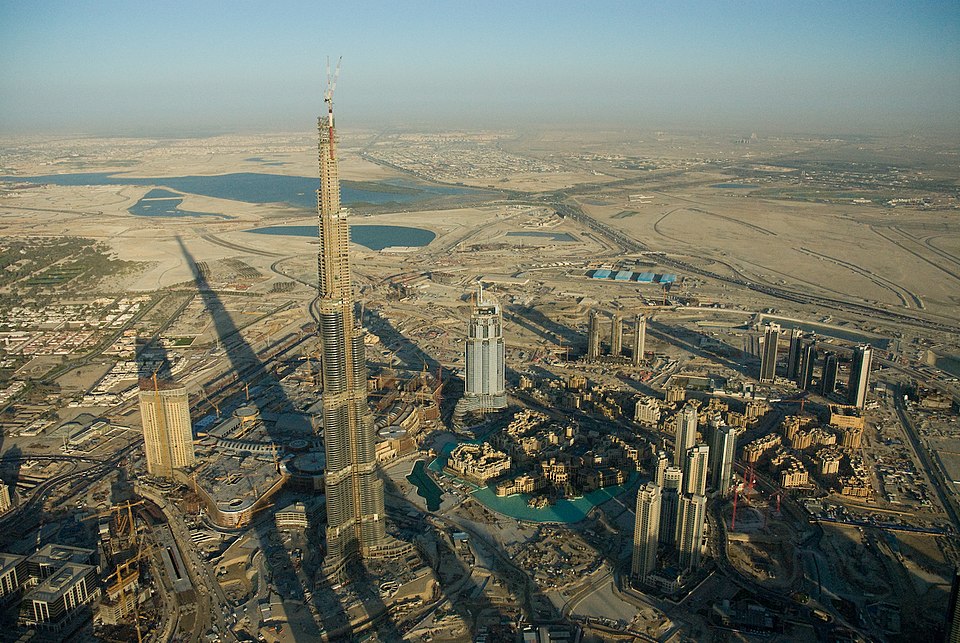
Dubai in early May sits at the tail end of its long, comfortable winter—temperatures nudging thirty, the odd shamal kicking dust across the creek—and Arabian Travel Market fills the World Trade Centre with forty thousand aviation executives, DMO directors and resort developers arguing over coffee about Load Factor and RevPAR. It is the Middle East's largest inbound-tourism trade show, a four-day negotiation marathon that spills into rooftop bars along Sheikh Zayed Road and late dinners in DIFC. If you are visiting for ATM, you are here to do deals, not sightsee, but the city's sheer energy—construction cranes silhouetted against Burj Khalifa, the hum of the Metro, the call to prayer drifting over glass towers—makes an impression even on the most jet-lagged delegate.
What ATM actually is, and why it matters
Arabian Travel Market began in 1994 as a modest regional gathering and has grown into the GCC's essential calendar date for anyone selling hotels, airlines, tour packages or destination management into the Middle East and South Asia. The show floor at Dubai World Trade Centre divides into national pavilions—Thailand, Turkey, the Maldives, East Africa—each staffed by tourism boards courting the region's high-spending outbound travellers. Alongside them sit the region's own heavyweights: Emirates, Etihad, Jumeirah Group, Ras Al Khaimah Tourism, all pitching new routes, new properties, new yield-management strategies.
Attendance splits roughly two-thirds exhibitors and hosted buyers, one-third visiting trade professionals who pay for a pass. The GCC accounts for the largest buyer delegation—UAE, Saudi, Kuwait, Bahrain, Oman—but you will also meet Indian wedding planners, Chinese OTA executives and European luxury operators scouting for winter-sun inventory. The rhythm is intense: pre-scheduled fifteen-minute appointments from nine until six, then evening receptions at the Armani Hotel or Address Sky View, then more work over late-night shawarma in Barsha Heights because the deal is not quite closed.
The Trade Centre district and the geography of ATM week
Dubai World Trade Centre occupies a low-rise compound on Sheikh Zayed Road, the twelve-lane artery that bisects the city. The original tower—an austere concrete shaft from 1979—still anchors the site, but the exhibition halls spread east and west in successive glass-clad expansions. During ATM the precinct becomes a walled village: badge-scanners at every entrance, shuttle buses ferrying delegates to overflow car parks, coffee kiosks doing five hundred espressos an hour.
Two neighbourhoods bracket the venue. To the north-east lies DIFC, the Dubai International Financial Centre, a gleaming enclave of towers, art galleries and expense-account restaurants where the trade-show crowd gravitates after hours. Zuma, La Petite Maison, Avatara—reservations booked weeks in advance, tables full of hoteliers negotiating group allocations over tuna tartare. To the south-west sits Za'abeel, a lower-density office quarter with mid-range chains and serviced apartments popular with exhibitors on tighter budgets.
The Metro runs underneath Sheikh Zayed Road. The red-line World Trade Centre station deposits you at the venue's western gate; the green line crosses at Burjuman, fifteen minutes on foot if you fancy the walk through the older souks. Taxis queue endlessly, but ride-hailing is faster and Careem drivers know the back entrances when the main drop-off is log-jammed.
What Dubai feels like when the trade show is on
May in Dubai means the city is already half-empty. Expat families have decamped for European summer holidays, malls are quieter, hotel rack rates drop sharply outside the Trade Centre zone. But ATM creates a micro-season: the Armani, the Address Boulevard, the Dusit Thani are at capacity, bars in DIFC are three-deep at the rail, and every coffee shop within a kilometre of the venue is full of badge-wearing delegates hammering out contracts on laptops.
The contrast is part of the charm. Step outside the trade-show bubble and you find a city operating at half-speed. The beaches—Kite Beach, La Mer—are nearly deserted on a Tuesday afternoon. The souks in Deira still bustle, but without the December crush. Old Dubai, across the creek, feels genuinely local: abra water-taxis ferrying workers for one dirham, the gold souk's shopkeepers drinking cardamom coffee in doorways, no tour groups in sight.
Evenings, the action splits. The official ATM parties occupy hotel ballrooms and rooftop terraces—open bars, seafood towers, a DJ spinning something anodyne. The more interesting gatherings happen in private dining rooms at Pierchic or on chartered yachts in the Marina, invitation-only affairs where the real partnerships get sketched on napkins. If you are not on those guest lists, DIFC's restaurant strip offers plenty of accidental networking over natural wine and Neapolitan pizza.
Why the dates matter, and what else is happening
ATM's early-May slot is deliberate. It sits after the northern-hemisphere Easter rush and before Ramadan's annual drift backward through the calendar, in a window when GCC decision-makers are focused and available. The timing also allows European exhibitors to tie ATM into a Gulf sales swing—Riyadh, then Dubai, then Doha—without clashing with ILTM Cannes or ITB Berlin.
Dubai itself uses the week to showcase new openings. May 2026 will likely see soft launches of properties on Bluewaters Island and in Dubai Creek Harbour, with ATM delegates among the first guests. The city's tourism authority, which co-sponsors the event, orchestrates familiarisation tours—morning site inspections of conference hotels, afternoon excursions to the desert resorts in Al Maha or the mangrove kayaking operations in Eastern Mangroves—all designed to give buyers something concrete to sell when they return home.
Parallel to ATM runs ATIC, the Arabia Travel Innovation Challenge, a start-up pitch competition that draws proptech founders and venture investors. It is smaller, scrappier, held in a side hall, but worth attending if you are interested in where the region's hospitality technology is heading. Think AI-driven concierge platforms, blockchain loyalty schemes, biometric check-in kiosks—ideas that will be standard in three years and laughable in five.
The practicalities of a four-day trade marathon
ATM badges come in tiers. Exhibitors and hosted buyers enter free; visiting trade professionals pay a registration fee that varies by seniority and company size. Once inside, the show floor operates on strict appointment schedules managed through a proprietary platform. You book your meetings in advance, the system emails you a calendar, and you spend the week moving between booths trying not to run late.
The halls are vast and climate-controlled to the point of arctic. Bring layers. Coffee is free and mediocre; the lunch offering is buffet trays of biryani and grilled chicken that run out by one-thirty. Smarter delegates book tables at the on-site business lounges—quieter, better food, somewhere to charge a laptop between meetings—or slip out to the Shangri-La across the road for a proper sit-down meal.
Evenings require stamina. The official programme lists thirty-odd receptions, most starting at seven and running until ten. You will not attend them all, but the calculus is strategic: which pavilion's party has the buyers you need, which hotel's launch event has the open bar and the head of Middle East sales for your target airline. By day three your liver is staging a protest and your phone is full of business cards photographed in poor light because you forgot to bring a holder.
Beyond the badge: what to do if you have a free afternoon
ATM's schedule is relentless, but most delegates carve out a half-day either side of the show. If that half-day is yours, skip the obvious. Burj Khalifa's observation deck is crowded and overpriced; the view from the Shangri-La's lobby—free, air-conditioned, excellent coffee—is nearly as good. The Dubai Fountain show, which runs every thirty minutes after sunset, is worth ten minutes of your time if you are already in Downtown, but do not make a pilgrimage.
Instead, take the Metro to Al Fahidi. The old Bastakiya quarter, with its wind-tower courtyard houses and narrow lanes, offers a glimpse of pre-oil Dubai. The coffee museum is tiny and charming, the XVA art gallery serves vegetarian lunch in a shaded courtyard, and the walk along the creek to the spice souk takes twenty minutes through a part of the city that has not yet been bulldozed for another mall.
Alternatively, hire a car and drive to the Hajar Mountains. Hatta, ninety minutes south-east, sits in a rocky wadi with kayaking, mountain-biking and a heritage village that is earnest and under-visited. The drive itself—through gravel plains, past camel farms, the road rising into scrubby highlands—is the attraction. You will be back in time for the evening's networking circus, but with your head considerably clearer.
Where to stay — chosen for character
Taj Dubai
A contemporary tower with Mughal-inspired interiors, marble lobbies and floor-to-ceiling windows framing Burj Khalifa. The executive club lounge doubles as an informal meeting space during ATM week, and the rooftop Indian restaurant is where Gulf hospitality directors close deals over tandoori lobster.
Shangri-La Dubai
The default choice for exhibitors who want to roll out of bed and be on the show floor in five minutes. Rooms are corporate-comfortable, the lobby cafe is ATM's de facto annexe, and the horizon pool offers a rare moment of quiet when the badge comes off.
Dusit Thani Dubai
A Thai-inflected high-rise with teak detailing and a spa that sees brisk trade during show week. The hotel's position—close but not adjacent—means you escape the Trade Centre's immediate scrum while staying within easy reach of DIFC's restaurant cluster.
Pullman Downtown Dubai
A reliable mid-tier option favoured by buyers on corporate budgets. Rooms are compact and functional, the executive floor offers complimentary evening drinks, and the location splits the difference between the Trade Centre and Downtown's dining options without committing fully to either.
Rove Downtown
Part of a local budget-chic chain aimed at younger business travellers. Rooms are small but cleverly designed, the ground-floor co-working space hums with freelance consultants, and rates stay reasonable even when everything around the Trade Centre climbs sharply.
Address Sky View
Twin towers joined by a cantilevered sky-bridge, offering some of the city's most dramatic interiors. The hotel hosts multiple ATM evening receptions, so staying here means you are already inside when the networking begins. Expect a premium for the privilege.
Vida Emirates Hills
A low-rise boutique property overlooking a golf course, appealing to delegates who prioritise sleep over proximity. The neighbourhood is leafy by Dubai standards, morning runs are possible without dodging construction, and the hotel's restaurant patio is blissfully free of ATM badges.
XVA Art Hotel
A converted Bastakiya courtyard house with eight rooms, wind-tower cooling and original coral-stone walls. It is the credible alternative for travellers who want character over convention, though the location means early starts if you have a nine o'clock booth appointment.
Getting there, getting around, getting it done
Dubai International Airport lies twelve kilometres north-east of the Trade Centre. The trip by taxi runs thirty to forty-five minutes depending on time of day, costing fifty to seventy dirhams. The Metro is faster during rush hour: take the red line from Terminal 3 or Terminal 1, alight at World Trade Centre station, total journey under thirty minutes for a handful of dirhams. Al Maktoum International, the newer airport in the south near Jebel Ali, serves budget carriers and cargo; a taxi from there to Sheikh Zayed Road takes an hour and costs north of one hundred and fifty dirhams.
Once in the city, the Metro is the most reliable way to move. Trains run every few minutes, stations are spotless and air-conditioned, and a day pass costs twenty dirhams. Taxis are cheap by European standards but prone to traffic snarls on Sheikh Zayed Road between seven and nine in the morning. Ride-hailing apps—Careem and Uber both operate—offer transparent pricing and the ability to pre-book, which matters when you are trying to reach a breakfast meeting at the Armani on time.
ATM itself opens at nine each morning, though the serious players are on the floor by eight-thirty. The exhibition halls close at six, but the venue's adjacent hotels host evening events that stretch until ten or eleven. If you are attending multiple receptions in one night, plan your route: DIFC is walkable from the Trade Centre if the heat is tolerable, but the Address Sky View and the Bulgari are taxi journeys.
Dubai's metro runs on a Sunday-to-Thursday working week; ATM 2026 spans Monday to Thursday, so timing aligns neatly. Friday is the local weekend, and while some delegates extend their stay to explore, the city's commercial rhythm slows dramatically. Museums and malls remain open, but expect longer queues at brunch spots as the expat population emerges.
Questions readers ask
When exactly is Arabian Travel Market 2026?
ATM Dubai runs Monday 4 May through Thursday 7 May 2026 at Dubai World Trade Centre. The exhibition floor opens at 09:00 each day and closes at 18:00, with evening networking events extending until 22:00 or later.
Do I need to register in advance, or can I buy a badge on-site?
Exhibitors and pre-approved hosted buyers receive complimentary registration. Visiting trade professionals must register online before the event; on-site registration is available but carries a surcharge and longer queues. Early-bird rates close approximately eight weeks before the show.
Which airport should I fly into?
Dubai International (DXB) is the primary hub and much closer to the Trade Centre. Al Maktoum International (DWC) in the south serves budget carriers but adds significant transfer time. Most international airlines use DXB.
How do I get from the airport to Sheikh Zayed Road?
The Metro red line connects Terminal 1 and Terminal 3 to World Trade Centre station in under thirty minutes. Taxis cost fifty to seventy dirhams and take thirty to forty-five minutes depending on traffic. Ride-hailing apps offer fixed pricing and can be pre-booked.
What is the weather like in early May?
Daytime temperatures reach thirty to thirty-three degrees Celsius, humidity is moderate, and rainfall is negligible. Evenings cool to the mid-twenties. The exhibition halls and hotels are heavily air-conditioned, so bring a layer for indoors.
Is Dubai expensive during ATM week?
Hotel rates within two kilometres of the Trade Centre climb sharply—often double normal May pricing. Rates in Downtown, the Marina and older districts such as Deira remain more stable. Restaurants and taxis are priced the same year-round, and the Metro is very cheap.
Can I walk between the Trade Centre and DIFC?
Yes, about twelve minutes via covered pedestrian bridges and air-conditioned corridors. The route is well-signed and avoids street-level heat. Many delegates make this walk multiple times a day between meetings and evening receptions.
What should I wear?
Business formal or smart-casual dominates the show floor. Men typically wear suits or chinos and a blazer; women wear tailored trousers, skirts or dresses with sleeves. Evening events vary—hotel receptions are smart-casual, private dinners trend more formal. Dubai's dress code is conservative in public spaces.
Are there any cultural considerations I should be aware of?
Dubai is cosmopolitan and accustomed to international visitors, but modest dress and behaviour are expected. Public displays of affection are frowned upon, alcohol is only served in licensed hotels and restaurants, and photography of government buildings or local people without permission can cause offence.
Do I need a visa?
Most Western nationalities receive a free tourist visa on arrival valid for thirty or ninety days. GCC residents with valid residency permits do not need a visa. Check the UAE government's official visa portal for your specific nationality before travel.
Is it worth staying an extra day to see the city?
If you have not visited Dubai before, a half-day in Al Fahidi or a morning at the spice souk offers useful context. The big-ticket attractions—Burj Khalifa, the Frame, Atlantis—are skippable if your time is limited. A dawn desert drive to Hatta or an evening walk along Jumeirah Beach are better uses of a few free hours.
Arabian Travel Market is not a gentle introduction to Dubai. It is four days of back-to-back meetings, late-night handshakes over cocktails you did not want, and the peculiar exhaustion that comes from spending twelve hours a day inside an air-conditioned exhibition hall while the city bakes outside. But it is also the week when the region's travel industry does its most important business, when new routes are announced, new properties are sold, and new partnerships are forged over coffee that tastes like cardboard. If you are coming to ATM, book early, plan your meetings carefully, and leave a little room in the schedule for the odd moment of quiet. The view from the Shangri-La lobby at dawn, before the badge-scanners switch on and the madness begins again, is worth setting an alarm for.